Table of Contents
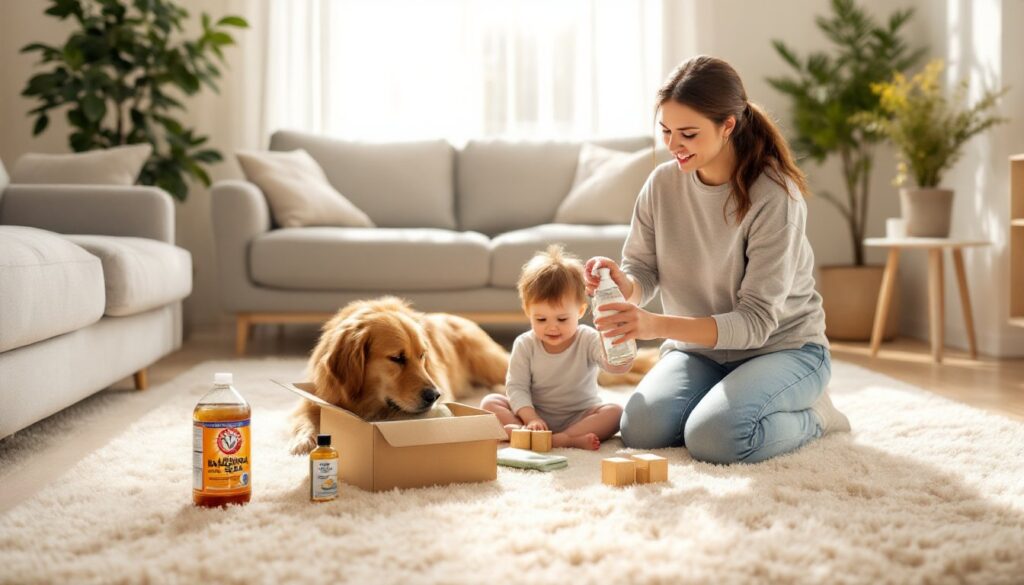
ToggleConventional carpet cleaners work, but they often leave behind residues that trigger allergies, irritate skin, and off-gas volatile organic compounds (VOCs) for days. If the household includes kids crawling on the floor, pets with sensitive paws, or anyone with respiratory issues, switching to non-toxic carpet cleaners isn’t just a nice idea, it’s a practical necessity. Non-toxic options rely on ingredients that break down dirt and odors without synthetic fragrances, phosphates, or harsh solvents. They’re safer for indoor air quality, easier on carpet fibers, and just as effective when used correctly. This guide covers why they matter, what actually works, and how to clean carpets thoroughly without bringing hazardous chemicals into the home.
Key Takeaways
- Non-toxic carpet cleaners eliminate harmful VOCs, synthetic fragrances, and carcinogenic solvents like perc, making them safer for households with children, pets, and respiratory sensitivities.
- Baking soda and white vinegar work as a powerful cleaning duo when used separately—baking soda neutralizes odors while vinegar cuts grease without leaving residue buildup that attracts dirt.
- Essential oils like tea tree and eucalyptus add antimicrobial benefits to non-toxic carpet cleaner solutions, though they should be tested first to avoid discoloration or pet irritation.
- DIY enzyme cleaner recipes using hydrogen peroxide and baking soda effectively break down pet stains by oxidizing uric acid crystals, requiring only 10–15 minutes of dwell time.
- Deep cleaning with non-toxic products requires thorough drying within 6–12 hours using fans or dehumidifiers to prevent mold and re-soiling of carpet fibers.
- Look for third-party certifications like EPA Safer Choice or Green Seal when buying store-bought non-toxic carpet cleaners to avoid greenwashing and ensure ingredient transparency.
Why Choose Non-Toxic Carpet Cleaners Over Conventional Products
Most store-bought carpet cleaners contain perchloroethylene (perc), naphthalene, or butoxy ethanol, solvents that dissolve stains but also contribute to indoor air pollution. Perc is classified as a probable carcinogen by the EPA, and naphthalene can damage red blood cells with prolonged exposure. Even after the carpet dries, residues cling to fibers and continue off-gassing.
Non-toxic cleaners skip these ingredients in favor of plant-based surfactants, enzymes, and mild acids like citric acid or acetic acid (vinegar). They don’t sacrifice cleaning power, enzymes break down protein-based stains (pet urine, food spills) at the molecular level, and surfactants lift dirt without leaving a sticky film.
Another reason: residue buildup. Conventional cleaners often leave a waxy or soapy layer that attracts more dirt over time, making carpets look dingy faster. Non-toxic formulas rinse cleaner, so carpets stay fresh longer between deep cleans.
Safety gear note: Even with non-toxic products, wear nitrile gloves if scrubbing heavily soiled areas. Natural doesn’t mean non-irritating, vinegar and citrus oils can still sting cuts or sensitive skin.
Top Natural Ingredients That Actually Clean Carpets
Not every “natural” ingredient does the job. Here’s what works and why.
Baking Soda and Vinegar: The Dynamic Duo
Baking soda (sodium bicarbonate) is mildly abrasive and alkaline, making it ideal for neutralizing acidic odors (pet urine, vomit, sour milk). Sprinkle it directly on dry carpet, let it sit for 15–30 minutes, then vacuum. For wet stains, blot first, apply baking soda, and vacuum once dry.
White vinegar (5% acetic acid) cuts through grease, dissolves mineral deposits, and kills some bacteria and mold spores. Mix one part vinegar with two parts water in a spray bottle for spot cleaning. Don’t oversaturate, too much moisture can soak through to the carpet pad and cause mildew.
Combining them creates a fizzy reaction that’s more show than substance. Use them separately: vinegar for grease and soap residue, baking soda for odors.
Essential Oils for Freshness and Antibacterial Power
Tea tree oil (melaleuca) and eucalyptus oil have antimicrobial properties confirmed in peer-reviewed studies. Add 10–15 drops per quart of cleaning solution for a fresh scent and mild disinfection.
Lavender and lemon oil smell great but offer minimal cleaning action, they’re more for masking odors than removing them. Keep concentration low (under 1%) to avoid oily residue on carpet fibers.
Always test essential oils on an inconspicuous spot first. Some oils can discolor light-colored carpets or irritate pets with sensitive noses.
DIY Non-Toxic Carpet Cleaner Recipes You Can Make Today
Here are three proven formulas for different carpet-cleaning scenarios. Mix fresh batches, homemade cleaners don’t contain preservatives and can spoil or lose potency after a week.
All-Purpose Spot Cleaner
- 2 cups warm water
- 1 tablespoon liquid castile soap (Dr. Bronner’s or similar)
- 1 tablespoon white vinegar
- 10 drops tea tree or lavender essential oil (optional)
Mix in a spray bottle. Spray on stain, blot with a clean microfiber cloth (don’t rub, rubbing spreads the stain). Repeat until the stain lifts, then blot with plain water to rinse.
Heavy-Duty Enzyme Cleaner for Pet Stains
- 1 cup hydrogen peroxide (3% solution)
- 2 tablespoons baking soda
- 1 teaspoon liquid dish soap (fragrance-free)
Mix gently (it will foam). Pour onto fresh pet urine, let sit 10–15 minutes, then blot. The hydrogen peroxide oxidizes uric acid crystals, and baking soda absorbs odor. For older stains, pre-treat with plain water to rehydrate, then apply the enzyme mix. Many enzyme cleaners for pet stains use similar oxidizing agents to break down organic compounds.
Dry Carpet Freshener
- 2 cups baking soda
- 20 drops essential oil (optional)
Mix in a mason jar, let sit overnight so the oil disperses. Sprinkle over carpet, wait 30 minutes, vacuum thoroughly. Use this monthly to keep carpets smelling fresh between deep cleans.
Tool tip: A carpet rake or stiff-bristle brush works wonders for working the baking soda into carpet fibers before vacuuming. It also lifts matted pile.
Best Store-Bought Non-Toxic Carpet Cleaning Products
DIY solutions handle most jobs, but some situations call for commercial formulas with concentrated enzymes or surfactants. Look for these certifications when shopping:
- EPA Safer Choice label (formerly Design for the Environment)
- Green Seal GS-37 (industrial and institutional cleaners)
- Leaping Bunny (cruelty-free)
Avoid “greenwashing” buzzwords like “eco-friendly” or “natural” without third-party verification.
Biokleen Bac-Out Stain+Odor Remover uses live enzyme cultures to digest protein stains. It’s effective on pet accidents and food spills but needs 10–15 minutes of dwell time to work. Rinse with water afterward, leftover enzymes can attract dirt.
Puracy Natural Carpet & Upholstery Shampoo is plant-derived, biodegradable, and works in most carpet cleaning machines (Bissell, Hoover, Rug Doctor). It doesn’t foam excessively, which means less risk of residue. Dilute 2–3 ounces per gallon of water.
Better Life Stain & Odor Eliminator comes in a ready-to-use spray bottle. It’s citrus-based, so it cuts grease well but can be overpowering in enclosed spaces. Crack a window during application.
For machine cleaning, skip products labeled “deep cleaning” or “heavy-duty” that don’t list ingredients. Many still contain optical brighteners or synthetic fragrances. Check home cleaning product reviews for independent lab testing and ingredient transparency.
How to Deep Clean Carpets Safely Without Harsh Chemicals
Deep cleaning means extracting dirt from the base of the carpet pile and the backing, not just the surface. Here’s how to do it with non-toxic products and standard equipment.
Materials & Tools:
- Carpet cleaning machine (rental or home model like a Bissell Little Green or Hoover SmartWash)
- Non-toxic carpet shampoo (see recommendations above) or DIY solution (1 gallon hot water + 1/4 cup castile soap + 2 tablespoons white vinegar)
- Stiff-bristle brush or carpet rake
- Box fans or dehumidifier (critical for drying)
- Nitrile gloves and knee pads
Step-by-Step Process:
-
Vacuum thoroughly. Go over high-traffic areas twice, once in each direction. Remove as much dry soil as possible before introducing moisture.
-
Pre-treat stains. Apply spot cleaner (DIY or store-bought enzyme formula) to visible stains. Let dwell 10 minutes, blot with a microfiber cloth.
-
Fill the machine. Use hot tap water (not boiling, it can damage pump seals) and add cleaner per machine instructions. For DIY solution, start with half-strength and increase if needed. Over-soaping causes residue.
-
Clean in overlapping passes. Move slowly, about one foot per second on the forward (cleaning) pass. Make two passes: one to apply solution, one to extract. Don’t oversaturate. If water pools on the surface, you’re moving too slowly or the tank is overfilled.
-
Rinse if needed. For heavy soap use or hard water areas, do a final pass with plain hot water to flush residues. This step prevents re-soiling.
-
Dry completely. Open windows, run ceiling fans, and aim box fans across the carpet. For basements or humid climates, use a dehumidifier. Carpet should dry within 6–12 hours. Walk on it in clean socks only until fully dry. Wet carpet attracts dirt and can develop mold if left damp longer than 24 hours.
Safety note: Carpet cleaning machines are heavy (15–20 lbs. when full). Lift with your legs, not your back. If stairs are involved, consider a smaller spot-cleaner model or hire a pro.
When to call a pro: If the carpet hasn’t been cleaned in over two years, has significant water damage, or shows signs of mold (musty smell, black spots), a professional hot water extraction with industrial equipment may be necessary. Many services now offer non-toxic or low-VOC options, ask before booking. Guidance on seasonal home maintenance tasks often recommends annual professional carpet cleaning for high-traffic areas or homes with pets.