Table of Contents
ToggleIndoor air quality isn’t just about comfort, it’s about health. Dust, pollen, pet dander, and volatile organic compounds (VOCs) accumulate in homes faster than most people realize, especially in tightly sealed modern construction. The Membrane Solutions air purifier has gained traction among homeowners looking for an affordable, effective solution to airborne contaminants without the premium price tag of household-name brands. But does it deliver real filtration performance, or is it just another budget option that underperforms? This guide breaks down the specs, features, maintenance requirements, and real-world performance to help you decide if it’s the right fit for your home.
Key Takeaways
- Membrane Solutions air purifiers use three-stage filtration (pre-filter, True HEPA, and activated carbon) to capture particles as small as 0.3 microns and eliminate odors, making them effective for homes with pets, allergies, and recent renovations.
- These units cover 150–400 square feet at affordable price points ($80–$180), with annual filter costs of $30–50, totaling around $250–400 over five years—competitive with mid-tier brands and far cheaper than premium options.
- The Membrane Solutions air purifier operates quietly on low settings (25–35 dB) and draws just 20–50 watts, adding minimal cost to your electric bill while requiring only basic maintenance like monthly pre-filter cleaning and yearly filter replacement.
- Placement matters for optimal performance: position units with 12–18 inches of clearance on all sides, away from moisture and tight corners, to ensure proper airflow and maximize the unit’s CADR effectiveness.
- Membrane Solutions excels as a straightforward, no-frills solution for typical residential air quality challenges but lacks smart features like app control and air quality sensors found in higher-end competitors like Coway or Dyson.
- The brand competes well against Levoit and Honeywell by offering solid HEPA filtration at lower price points, though it sacrifices slightly higher CADR ratings and brand recognition in exchange for budget-friendly affordability.
What Is the Membrane Solutions Air Purifier?
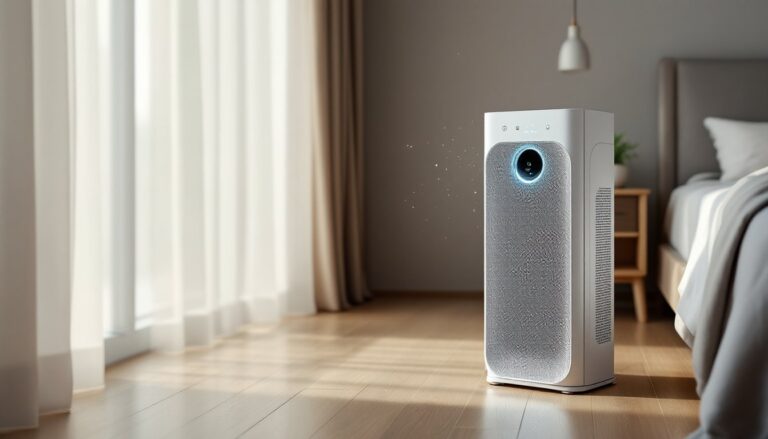
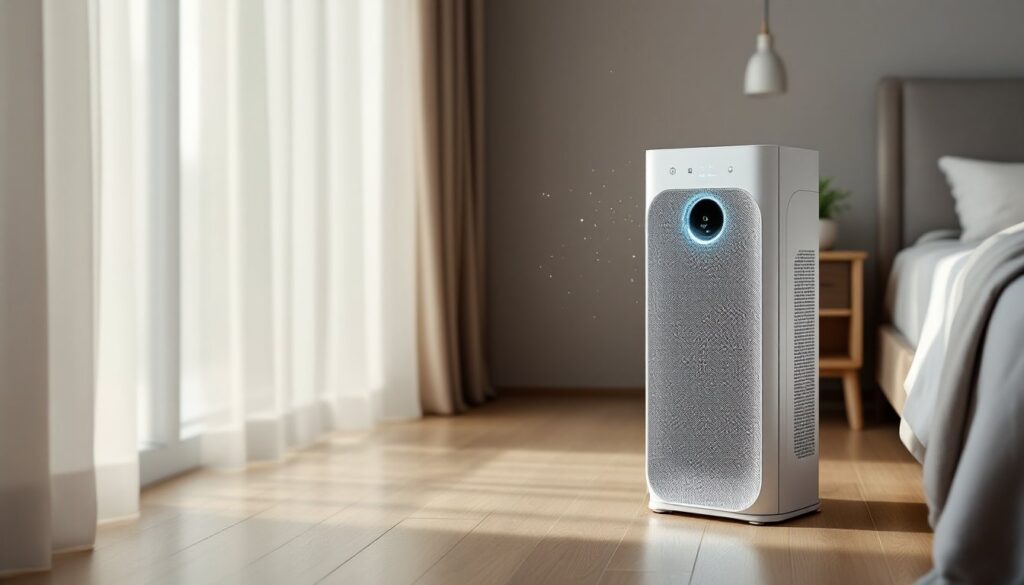
Membrane Solutions manufactures a line of air purifiers designed primarily for residential use, targeting homeowners who want multi-stage filtration without commercial-grade pricing. These units typically feature HEPA filtration (High-Efficiency Particulate Air), which captures 99.97% of particles as small as 0.3 microns, that includes most common allergens, mold spores, and fine dust.
The brand positions itself in the mid-budget range, competing with models from brands like Levoit, GermGuardian, and Honeywell. Most Membrane Solutions units are tower-style or compact rectangular designs, suitable for bedrooms, home offices, and living areas. They’re not industrial-grade units, don’t expect them to handle a full basement workshop with sawdust in the air, but they’re built for typical residential air quality challenges.
Unlike some competitors that focus solely on particle filtration, Membrane Solutions models often include activated carbon filters to address odors and gaseous pollutants. That makes them useful in homes with pets, near kitchens, or in areas with lingering paint or adhesive fumes from recent DIY projects.
Key Features That Set Membrane Solutions Apart
Multi-Stage Filtration System
Most Membrane Solutions air purifiers use a three-stage filtration process:
- Pre-filter: Captures large particles like hair, lint, and visible dust. This extends the life of the HEPA filter and can usually be vacuumed or rinsed monthly.
- True HEPA filter: The workhorse layer. It traps microscopic particles, including pollen, mold spores, dust mites, and some bacteria.
- Activated carbon filter: Absorbs odors, smoke, and VOCs. This is especially helpful if you’ve recently painted, installed new flooring, or deal with cooking smells.
Some models also include a UV-C light option, which targets bacteria and viruses. Effectiveness varies, and UV-C works best when airflow is slow enough for adequate exposure time, something not all units optimize well.
Adjustable Fan Speeds and Timers
Most units offer three to four fan speeds, from whisper-quiet sleep modes to high-output settings for rapid air exchange. Timer functions (typically 2, 4, or 8 hours) let you run the unit during specific periods without wasting energy. If you’re running a finish nailer in the garage or sanding drywall, crank it to high for an hour or two afterward to clear airborne dust.
Filter Replacement Indicators
Built-in LED indicators remind you when it’s time to swap filters, usually every 6–8 months for HEPA, 3–6 months for carbon, depending on usage and air quality. That’s a practical feature often missing in cheaper models, where you’re left guessing based on calendar dates or visible grime.
Performance and Room Coverage
Membrane Solutions air purifiers typically cover rooms ranging from 150 to 400 square feet, depending on the model. Check the Clean Air Delivery Rate (CADR) rating on the unit’s spec sheet, it measures how many cubic feet per minute (CFM) of clean air the purifier delivers. For reference, a CADR of 200+ is solid for a medium bedroom or home office.
For proper air exchange, you want the purifier to cycle the room’s air 4–5 times per hour. A 300-square-foot room with 8-foot ceilings has 2,400 cubic feet of air. Divide that by 60 minutes, then by your target exchanges per hour, you’d need a CADR of around 160–200 to keep up.
Noise Levels
On low or sleep mode, most Membrane Solutions units run at 25–35 decibels, about as loud as a whisper or a quiet library. High settings push into the 50–60 dB range, comparable to normal conversation or a bathroom exhaust fan. That’s acceptable for daytime use but might be noticeable if you’re a light sleeper.
Energy Consumption
These units typically draw 20–50 watts, depending on fan speed. Running one 24/7 on medium adds roughly $3–7 per month to your electric bill, assuming $0.13/kWh. That’s less than a standard ceiling fan. If you’re running multiple units in different rooms, the cost scales up, but it’s still modest compared to HVAC or dehumidifier loads.
Installation and Maintenance for Homeowners
Setup and Placement
No installation required beyond unboxing and plugging it in. Place the unit on a stable surface with at least 12–18 inches of clearance on all sides for proper airflow. Avoid corners, tight alcoves, or spots directly behind furniture, you’ll choke the intake and reduce efficiency.
Keep the purifier away from moisture-prone areas like directly above a humidifier or near a basement sump pump. HEPA filters can degrade or develop mold if they stay damp.
Filter Maintenance
Pre-filters should be cleaned every 2–4 weeks depending on how dusty your home is. Vacuum them gently or rinse with lukewarm water (let them dry completely before reinstalling). The HEPA and carbon filters are not washable, replace them per the manufacturer’s schedule, usually 6–12 months. Expect to spend $30–50 per year on replacement filters, which is standard for this category.
If you’ve been sanding drywall, cutting trim, or doing other dust-heavy work, swap the pre-filter sooner. Fine particulates clog filters faster than everyday household dust.
Safety Notes
These are low-voltage appliances, so electrical risk is minimal. Just make sure the cord isn’t a trip hazard or pinched behind furniture. If your home has older wiring or overloaded circuits, check that the outlet can handle continuous load, though at under 50 watts, that’s rarely an issue.
Don’t run the unit with a damaged filter housing or missing panels. Gaps let unfiltered air bypass the HEPA element entirely.
Is the Membrane Solutions Air Purifier Worth It for Your Home?
For homeowners dealing with typical indoor air quality issues, dust from HVAC systems, seasonal allergies, pet dander, or lingering odors from cooking or recent paint jobs, Membrane Solutions offers solid value. The HEPA + carbon combo addresses both particulates and gases, which matters if you’ve just installed new carpet, refinished cabinets, or used adhesives that off-gas VOCs.
When It’s a Good Fit:
- You need coverage for small to medium rooms (under 400 sq. ft.).
- You’re looking for an affordable entry point without sacrificing core filtration.
- You want straightforward controls and minimal fuss, no app, no Wi-Fi, just buttons.
- You’ve recently completed home improvement projects that kicked up dust or introduced chemical odors.
When to Look Elsewhere:
- You need whole-home coverage or filtration for large, open-concept spaces. Consider a central HVAC filter upgrade or multiple units.
- You’re dealing with serious mold or asbestos remediation, that requires professional-grade equipment and possibly a licensed abatement contractor.
- You want smart home integration, air quality sensors, or auto-adjusting fan speeds. Higher-end models from Dyson, Blueair, or Coway offer those features.
Cost Considerations
Units typically retail between $80–$180 depending on room coverage and features. Factor in annual filter costs of $30–50. Over five years, you’re looking at roughly $250–400 total, competitive with other mid-tier brands and far cheaper than premium options that can hit $500+ upfront.
Comparing Membrane Solutions to Other Popular Air Purifiers
Membrane Solutions vs. Levoit Core Series
Levoit dominates the budget-friendly air purifier space with models like the Core 300. Both brands use True HEPA and activated carbon, but Levoit units often include slightly higher CADR ratings and quieter operation. Levoit also has better brand recognition and customer support infrastructure. Membrane Solutions undercuts on price by $20–40 in comparable models, making it appealing if budget is the deciding factor.
Membrane Solutions vs. Honeywell HPA Series
Honeywell’s HPA series offers more robust construction and higher airflow for larger rooms (up to 465 sq. ft.). Honeywell filters are also widely available at big-box stores, while Membrane Solutions filters usually require online ordering. Honeywell units cost $50–100 more upfront but may offer better longevity and easier maintenance access.
Membrane Solutions vs. Coway AP-1512HH (Mighty)
The Coway Mighty is a step up in performance and features, including an air quality sensor, auto mode, and eco mode that shuts off the fan when air is clean. It’s also been extensively reviewed by independent testing labs, giving it a track record Membrane Solutions can’t match yet. The Mighty costs $200–250, roughly double the price of most Membrane Solutions models. If you want smart features and proven performance, Coway wins. If you want basic, reliable filtration for less, Membrane Solutions is competitive.
Where Membrane Solutions Excels
It’s a straightforward, no-frills option for homeowners who don’t need connectivity or advanced sensors. Consumers exploring smart home technology might prefer units with app control, but for someone who just wants clean air in a bedroom or workshop, Membrane Solutions delivers the essentials without complexity.
Conclusion
The Membrane Solutions air purifier fills a practical niche for budget-conscious homeowners who need effective particle and odor filtration without premium features or pricing. It won’t replace professional remediation for serious air quality issues, and it lacks the smart features found in higher-end models, but it handles everyday dust, allergens, and post-project cleanup competently. For typical residential use, especially in homes with pets, allergies, or recent renovations, it’s a solid, low-maintenance option that does the job without overcomplicating things.